Protecting Your Hearing
Live music is often loud enough to harm your ears in minutes; the right earplugs and a few habits keep the music and your hearing.
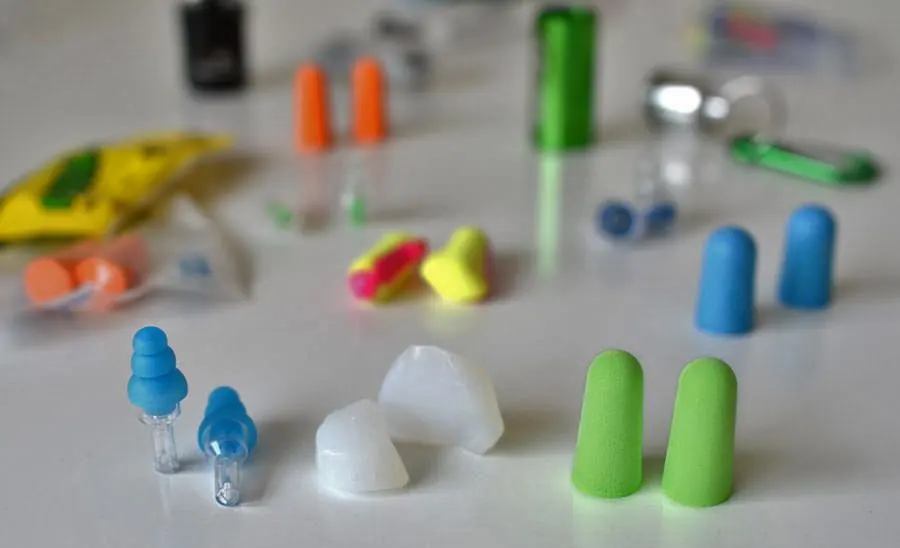
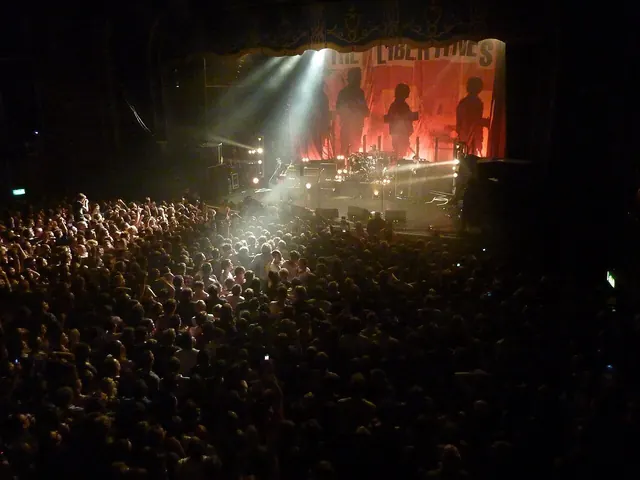
Photo: Your Best Digs / Wikimedia Commons, CC BY 2.0
Wear earplugs at every loud gig: filtered musicians' earplugs lower the volume while keeping the music clear, foam earplugs work well if fitted properly, and standing away from the speakers and taking breaks cuts the risk further. Ringing ears after a show is a warning sign, not a badge of honour.
Loud enough to matter
Safeguarding hearing at gigs starts with understanding decibels, the units that measure sound. The RNID says repeated or long exposure to sounds at 85dB or above can cause hearing loss, and music at clubs and concerts is often around 110dB.
Risk rises with both level and time. Every 3dB increase doubles the intensity of a sound, so the safe listening time halves: around eight hours a day at 85dB, four hours at 88dB, and so on. At 110–120dB, the RNID warns that even a very short exposure can cause damage.
The damage happens in the cochlea, the hearing organ of the inner ear, where thousands of tiny hair cells turn sound into signals for the brain. Loud noise overstimulates and tires them. After a break they may recover, but with repeated exposure they can lose that ability and die, which causes permanent hearing loss.
What your ears are telling you after a gig
Think ringing in the ears and muffled sound are annoying but harmless after a big gig? They can actually warn you about hidden damage. Hearing that feels dull for hours afterwards is often called a temporary threshold shift, and the RNID says that if you cannot hear properly or have ringing in your ears for a few hours after loud noise, it is a sign the noise was loud enough to damage your ears and may have left a slight, permanent loss. If a sound ever hurts your ears, move away from it.
Which earplugs help, and when to get a check
Here are the three main options:
- Disposable foam earplugs: soft, comfortable and easy to carry. They only work when rolled between your fingers, inserted and held until they expand to seal the ear canal, and they muffle the music more than filtered plugs.
- Reusable filtered earplugs for musicians: acoustic filters reduce the level across the range, so live music sounds more natural but quieter. Widely used by working musicians and regular gig-goers.
- Custom-moulded earplugs: made to fit your own ears, so they seal better, are comfortable for long sets and last for years. They cost more up front, which can pay off if you go to gigs often.
Cotton wool does not protect your hearing. At concerts, stay away from the speakers, since that is the loudest spot, and step out of the main room for a break during the night.
The RNID offers a free online hearing check that takes about three minutes. It is for adults who have not been diagnosed with hearing loss, works best with headphones in a quiet room, is not suitable if you have tinnitus, and tells you whether you should see someone about your hearing, though it is not a full test by an audiologist. The NHS advises seeing a GP if tinnitus happens regularly or constantly, is getting worse, or affects your sleep or concentration. Sudden hearing loss needs urgent medical help.
Checked against the sources below at the time of writing. Ticketing rules, licences, royalty schemes and festival policies change; confirm with the official body, venue or organiser before you rely on them.