Busking In The UK
Busking is legal across the UK, but the rules change from one council to the next, and a few places require a licence or an audition.
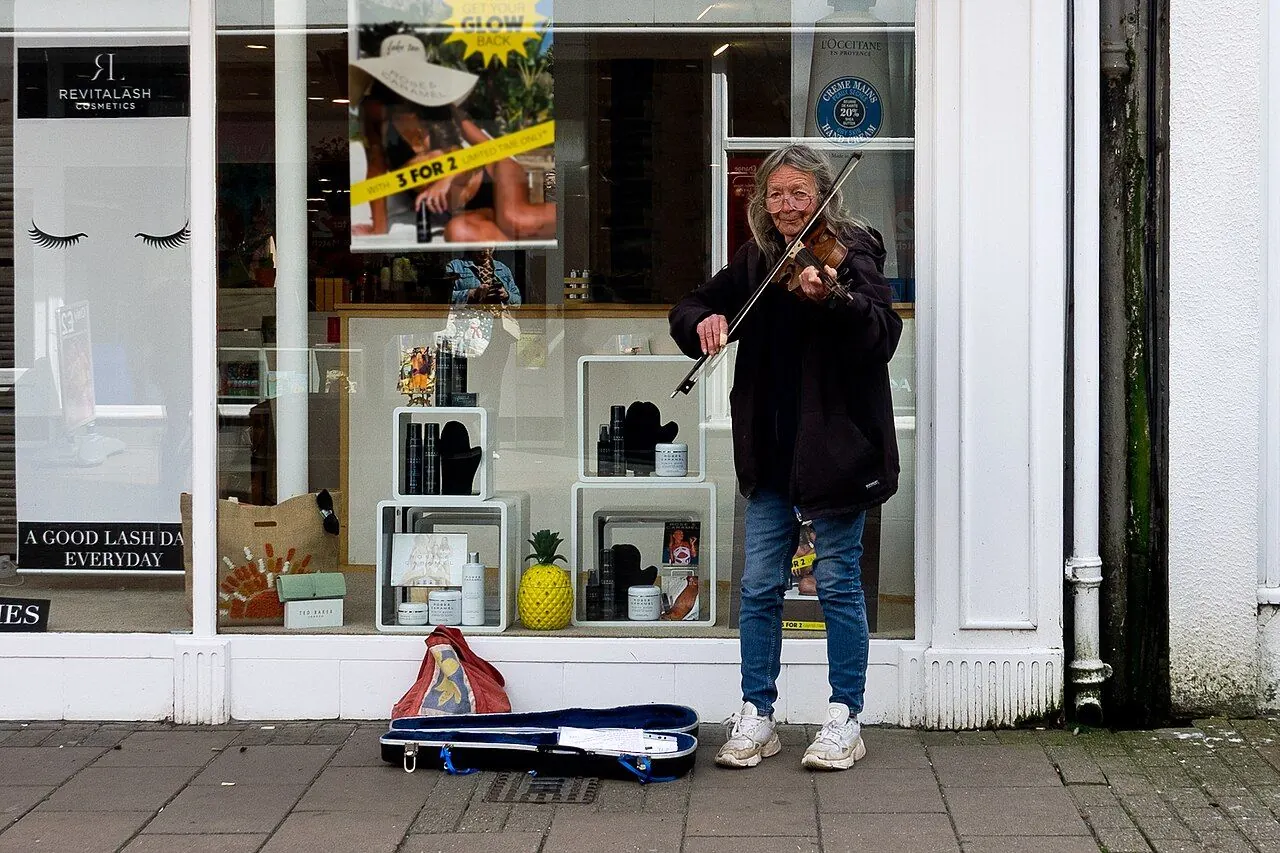
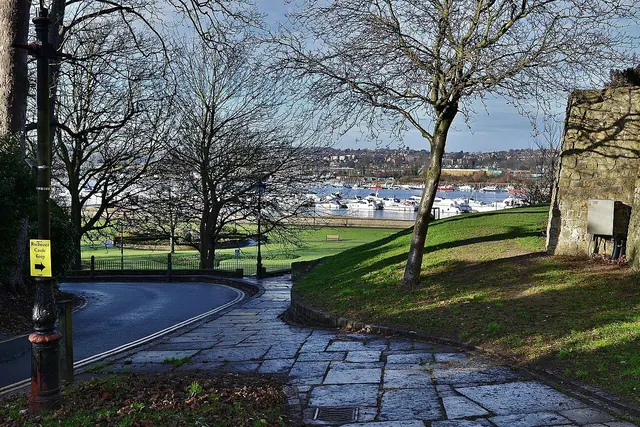
Photo: Roger A Smith / Wikimedia Commons, CC BY-SA 2.0
There is no single UK busking licence. Busking is not illegal, but in England and Wales each council sets its own rules, some requiring a licence or permit and many none at all, while the London Underground runs its own audition-based scheme.
Local rules decide whether you need a licence
GOV.UK says you may need a busking licence or permit from the council before busking in its area, that you should contact the council to find out, and that you may have to pay a fee when you apply. If you do need one, you must display it at all times while performing. Busking is not generally licensable under the Licensing Act 2003: government guidance says it usually happens in places not made available for entertainment and is incidental to other activities, such as shopping or sightseeing.
Where councils do set rules, GOV.UK lists the usual ones: not making too much noise, not blocking footpaths, pavements or pedestrian areas, not displaying notices asking for payment, not street trading without a licence, and only busking in certain areas or for a limited time. Children under 14 are not allowed to busk. Some councils go further with Public Space Protection Orders that restrict busking in town centres. In London the picture changes from borough to borough: the Musicians' Union notes that central Westminster has required a busking licence since April 2021, that Camden has licensed busking, and that Kensington and Chelsea controls pitches through Public Space Protection Orders.
Scotland and Northern Ireland differ. The MU says most areas of Scotland do not require a licence, but Section 54 of the Civic Government (Scotland) Act 1982 lets police ask a busker to stop, and confiscate equipment, if the music annoys the public. Belfast does not require a busking licence, though selling merchandise needs a street trading licence.
London Underground has its own scheme
Transport for London dates its Licensed Busking Scheme to 2003, with performers on branded pitches 364 days a year. It is a separate system from any council licence. There are a limited number of licences and a large number of applicants, and auditions are held at stations in front of a panel of music industry experts, with entrants judged on originality, technique and performance. TfL works with Busk in London, a street performance programme supported by the Mayor of London. Private land has its own rules too: the Southbank Centre runs its own busking scheme, and shopping centres and other private spaces need the owner's permission.
Selling, copyright and etiquette
Collecting money in a case is busking; selling CDs or merchandise is street trading, which needs a street trading licence. Westminster offers a busking licence option that permits the sale of merchandise associated with the performance. On copyright, the government's notice on live music says the local authority may hold a public performance licence from PRS for Music to cover outdoor performance by buskers, so if you play covers, ask the council what the position is.
Good etiquette keeps pitches open. Keep the volume at a level that lets shops trade and residents rest, leave doorways and crossings clear, vary your set, move on after a reasonable time and share popular pitches with other performers. The MU opposes the licensing of busking and its regional offices can advise on local restrictions.
Before you play, check four things:
- the council's busking page for the exact street you want to play;
- Transport for London's scheme, if you want to play in the Underground;
- a street trading licence, if you plan to sell CDs or merchandise;
- permission from the owner, if the space is private land.
Checked against the sources below at the time of writing. Ticketing rules, licences, royalty schemes and festival policies change; confirm with the official body, venue or organiser before you rely on them.