The Medway Sound
How a cluster of Kent river towns produced a rough, blues-soaked garage rock scene that still has a cult following around the world.
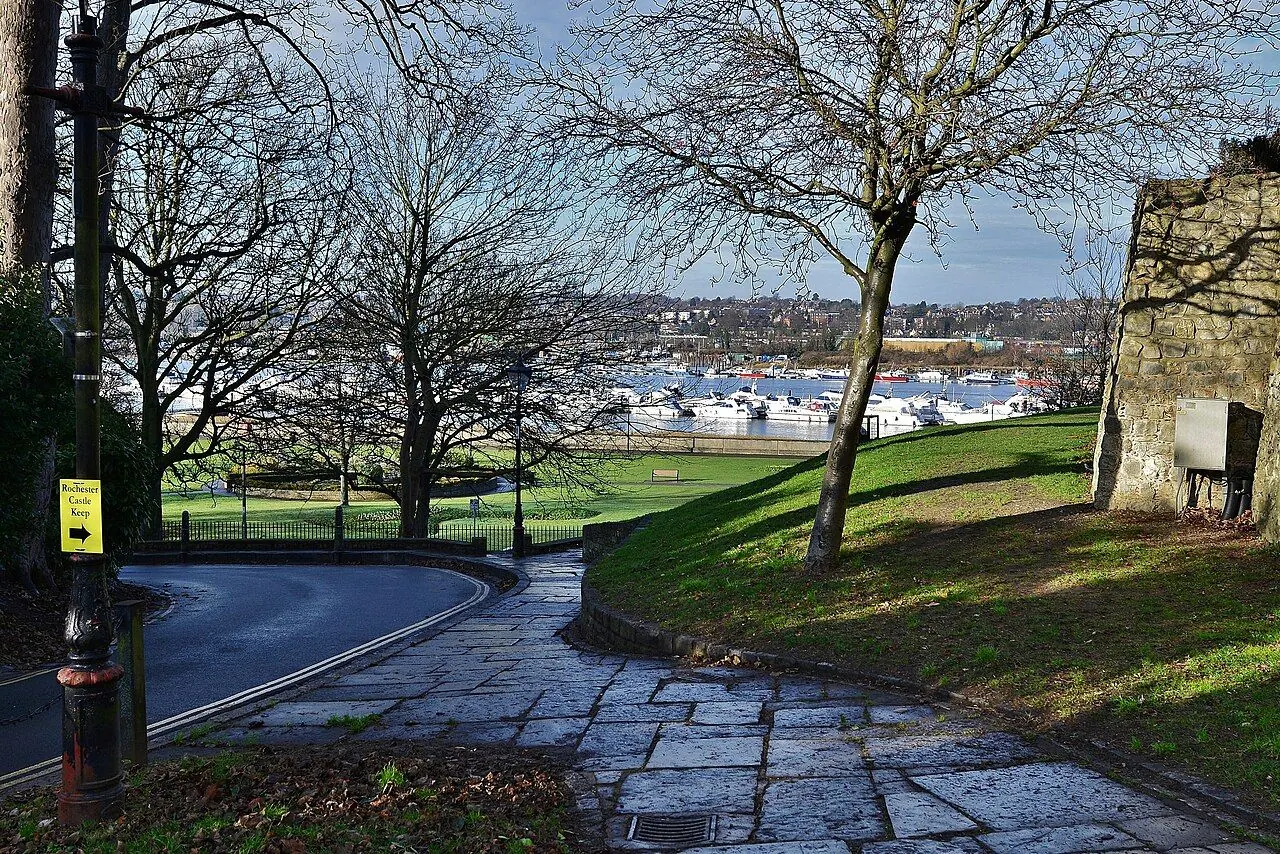
Photo: Michael Garlick / Wikimedia Commons, CC BY-SA 2.0
The Medway sound is the raw garage rock, punk and rhythm-and-blues that came out of the Medway towns in north Kent from the late 1970s, built around Billy Childish's bands and groups such as The Prisoners. It is not just a style of rough-edged guitar music but a local scene of bands, poets and small labels that later won a worldwide cult following.
The towns and the scene
The scene grew up in a cluster of towns on the River Medway: Rochester, Chatham, Gillingham and Strood, with Rainham often counted too. It started in the punk era of the late 1970s, and local accounts date the first wave, sometimes called the "Medway Delta" sound, to roughly 1977–1982. The nickname is a nod to the Mississippi Delta: the bands drew heavily on garage, punk, rock'n'roll and raw blues records of the 1950s and 1960s rather than on the fashions of their own day.
The Medway scene revolved around punk, garage and beat bands that toured and released records well beyond Kent but stayed rooted at home. The Medway College of Design in Rochester, where Billy Childish studied, helped bring many of its artists and musicians together.
The bands that fixed the sound
When you dive into this scene, you can't get around the name Billy Childish, from Chatham. His bands form a chain that runs through the whole story: the Pop Rivets in the late 1970s, then Thee Milkshakes, Thee Mighty Caesars, Thee Headcoats (with the all-female offshoot Thee Headcoatees), and later Wild Billy Childish & The Friends of the Buff Medways Fanciers Association, also known as The Buff Medways, whose records were championed by Blur's Graham Coxon and released on his Transcopic label.
Other bands are just as important to the Medway identity. The Prisoners were a garage band formed in Rochester in 1980, known for a Vox organ-led sound with psychedelic and mod touches; they often toured with Thee Milkshakes and are counted as part of the scene. The Dentists also won listeners abroad, and records from the circle came out on labels such as Big Beat, Hangman and Damaged Goods.
The sound was deliberately rough. Childish favours lo-fi recording on vintage equipment over clean studio polish, for reasons both financial and aesthetic, and that do-it-yourself approach, with fast sessions and small-run releases, became part of what the Medway sound means.
Poets, influence and where to hear it
The whole Medway sound also came out of a broader cultural soil. The Medway Poets, a punk-based poetry performance group founded in 1979, grew out of readings at the York Tavern and Railway Inn in Chatham. Billy Childish was a member, alongside Charles Thomson and others, and the group mixed the new punk spirit with a nod to Berlin cabaret.
The scene's reach went well beyond Kent. When a new wave of garage rock hit the charts in the early 2000s, the White Stripes' Jack White wrote Childish's name in large letters on his arm for an early Top of the Pops appearance, and The Prisoners have been credited as an influence on later British bands such as The Charlatans.
To hear the Medway sound today, start with the records: much of the Childish catalogue and the wider Medway back catalogue has been kept in print or reissued by independent labels. For live music in the same spirit, check local listings in the Medway towns for garage and rhythm-and-blues nights.
Checked against the sources below at the time of writing. Ticketing rules, licences, royalty schemes and festival policies change; confirm with the official body, venue or organiser before you rely on them.