What Is Post-Punk
Punk tore rock down to three chords; post-punk kept the anger and rebuilt it with dub, funk, electronics and art-school ambition.
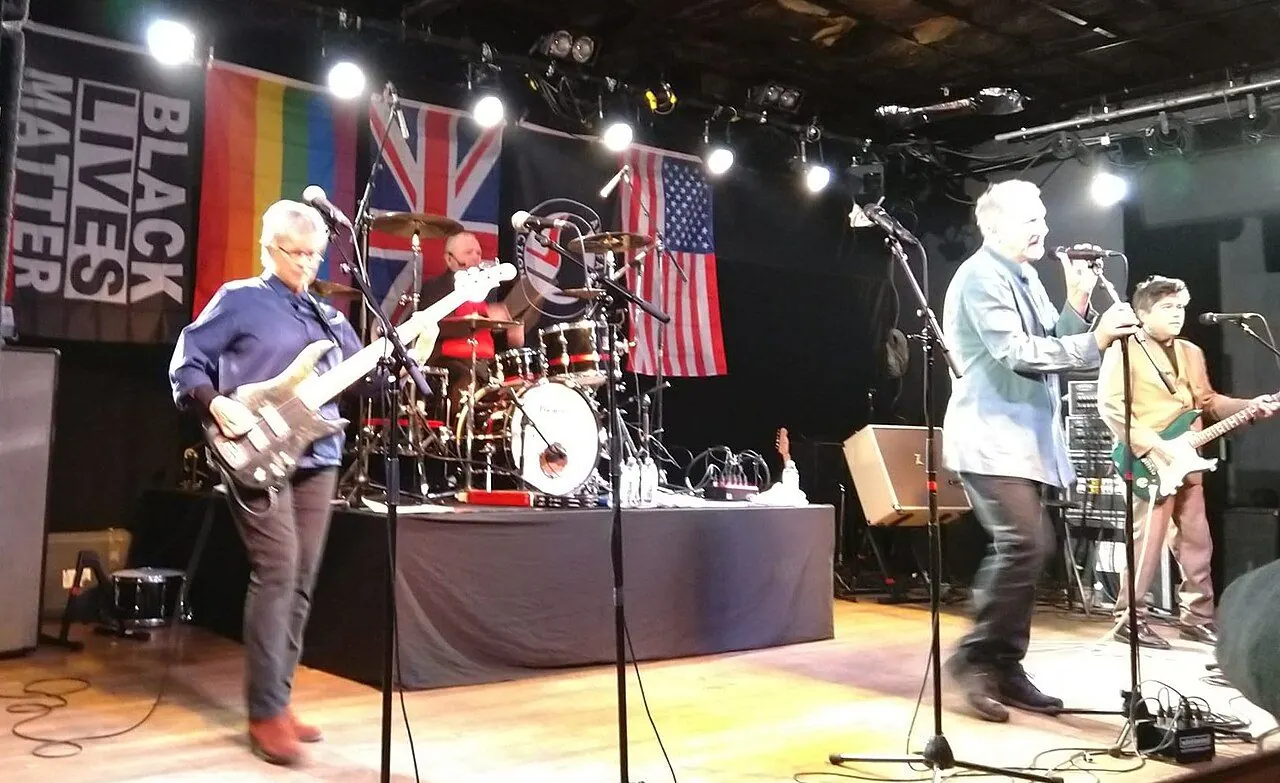
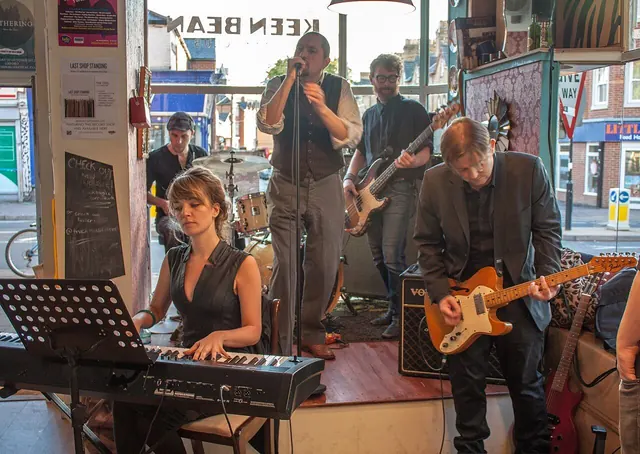
Photo: Robman94 / Wikimedia Commons, CC BY-SA 4.0
Post-punk is the broad, experimental music that grew out of punk in Britain from late 1977 onwards: bands kept punk's DIY ethos and anger but threw out its three-chord rules, borrowing from dub, funk, electronics and art-school ideas. It was a more adventurous and arty form of punk, no less angry or political, but often more musically complex and diverse.
Where post-punk came from
Where the punk bands of 1977 set out to strip music to its barest elements, many of the musicians who came after them rejected those stripped-down ideals and went on to craft a broader, more complex sound. Early on the music was sometimes called "new musick". By the mid-1980s it had dissipated as a movement, having built up an extensive body of experimental work, a loose but vast range of sounds and ideas rather than one tight style. The critic Simon Reynolds dates the core period in the title of his history of the genre, Rip It Up and Start Again: Postpunk 1978–1984, published by Faber & Faber in 2005.
The sound and the key bands
Though there are characteristic post-punk signatures, the genre is defined more by attitude than by one sound. Public Image Ltd, the Pop Group and the Slits experimented with dance music and dub production techniques; Gang of Four set political lyrics to a hybrid of punk, funk and dub. Other key British bands include:
- Joy Division, the Manchester band on Factory Records
- Wire, whose spare, angular songs pushed punk towards art rock
- The Fall, led by Mark E. Smith
- Siouxsie and the Banshees, part of the early vanguard alongside Magazine, Cabaret Voltaire and the Cure
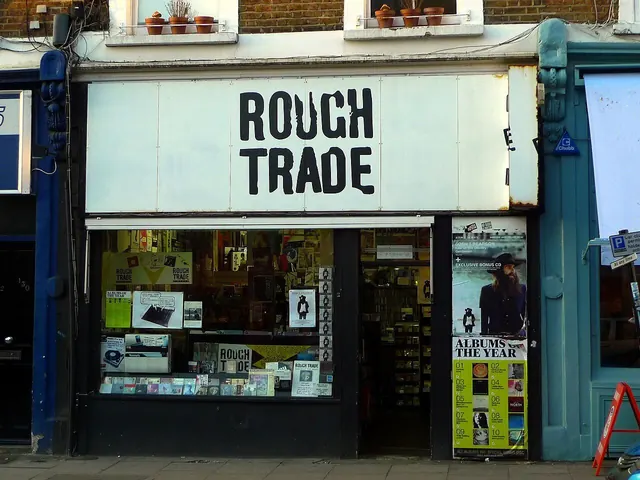
Independent labels gave much of this music its home. Rough Trade in west London and Factory in Manchester released records that major labels would not touch, and the movement fed straight into gothic rock, industrial music, the New Pop of the early 1980s and much of the alternative and independent music that followed.
The revival and where to start
A post-punk revival surfaced in the early 2000s, when bands such as Interpol, Franz Ferdinand, Bloc Party and the Rapture played sharp, angular guitar music that drew openly on the originals. It showed how far post-punk's influence had travelled beyond its original moment.
For a first listen, start with the debut albums of the bands above, then work outwards through the labels: a label's catalogue from the late 1970s is often the best map of who sounded like whom. Reynolds's book works as a guided tour for anyone who wants the full story.
Checked against the sources below at the time of writing. Ticketing rules, licences, royalty schemes and festival policies change; confirm with the official body, venue or organiser before you rely on them.