How To Press Vinyl
From a vinyl master to boxes of finished records, each stage of a first pressing and the admin that should run alongside it.
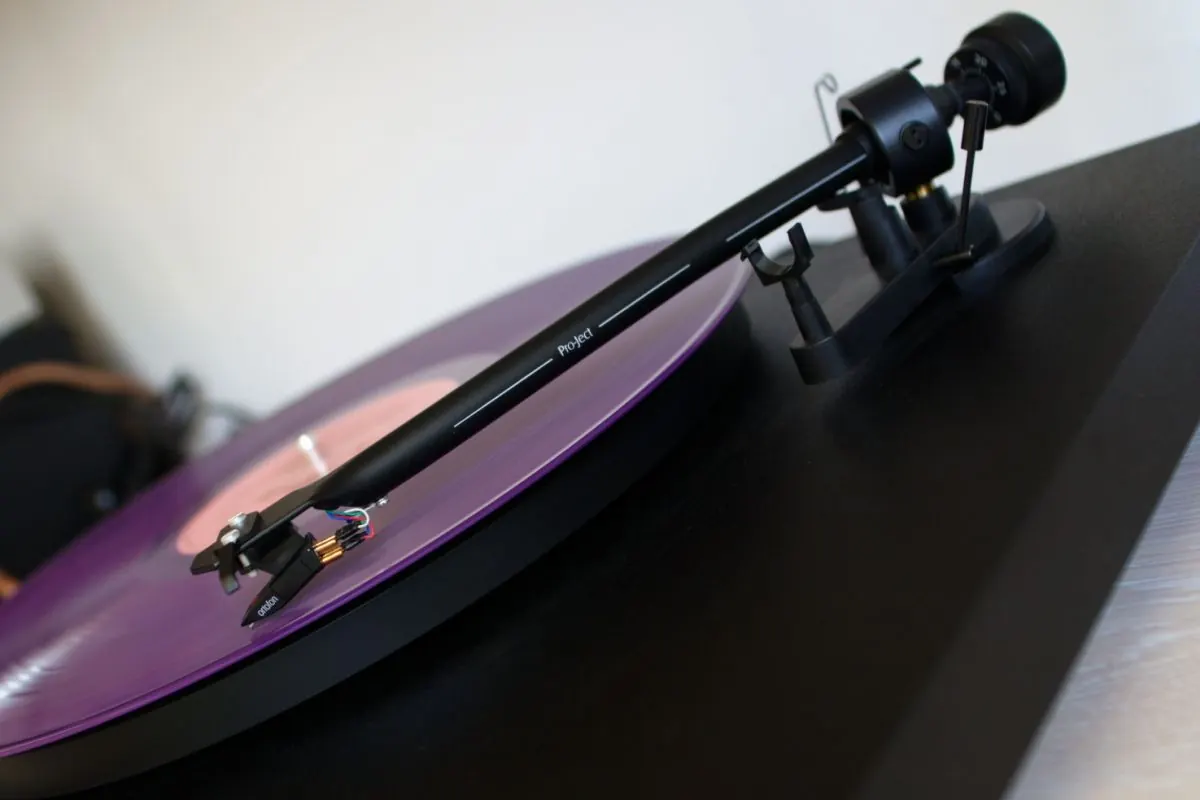
Photo: traaf / Wikimedia Commons, CC BY-SA 2.0
Mastering, manufacturing, packaging and admin are the steps to pressing vinyl, and the pressing plant's lead time sets the schedule for all of them. Book the plant, and get a written timetable, before you book a launch gig.
Mastering, format and running order
The key distinction for vinyl is that its masters must be prepared for the medium. Vinyl mastering is less about loudness than about making sure the groove can carry the sound: very loud masters, wide stereo bass and harsh high frequencies can cause problems when the disc is cut, which a digital master made for streaming may ignore. Ask a mastering engineer for a dedicated vinyl master and tell them the format and the running time of each side.
The band will choose between 7-inch and 12-inch formats and between 33⅓ and 45 revolutions per minute. The 7-inch single at 45 rpm usually carries one song a side; the 12-inch at 33⅓ rpm is the album format, while a 12-inch cut at 45 rpm fits less music but gives each minute more groove, which can help the sound. Longer sides generally have to be cut quieter. Lock the track order and the side split before cutting, because changing them afterwards means cutting again.
Cutting, plating and test pressings
The mastering engineer cuts the audio onto a lacquer, a metal disc coated in lacquer, on a cutting lathe. The plant then electroplates the lacquer to make a metal negative, often called the father; from that come a positive "mother" and then the stampers, which are fitted to the press to stamp hot vinyl into records. The engineer also etches a matrix number into the run-out groove, which identifies that cut.
The plant then sends a small batch of test pressings. Play them on more than one turntable, listen for noise, skips and distortion, check the running order and approve them in writing; problems are cheap to fix at this stage and expensive after the run. Lead times vary between plants and with demand, so ask for dates covering test pressings, final delivery and printed sleeves.
Sleeves, codes and rights
Sleeves and centre labels are printed separately from the vinyl, to the plant's artwork templates. The labels should show the side, titles, speed and catalogue number. The catalogue number is the band's or label's own reference for the release, printed on the label, sleeve and spine, and is not the same as the matrix number. The barcode is for retailers: distributors and shops will usually expect one on the back of the sleeve to log sales.
Register the songs with PRS for Music before release, and if you are pressing anyone else's songs, such as a cover, check the mechanical licensing requirements with PRS for Music, which handles mechanical rights through MCPS. Register the recordings with PPL with a full performer line-up and an ISRC for each track; PPL is the UK agency for ISRCs and will issue them even to non-members.
Unlike books, records do not have to be sent to the British Library. UK legal deposit law covers print and many electronic publications but excludes works consisting only of sound recordings, so the library builds its sound collection from voluntary donations by labels. An independent band can still offer a copy and have its release preserved.
Independent record shops usually stock through a distributor, though many will take a few copies direct from a local band. Contact them well before release with the barcode, catalogue number, format and release date, and a finished copy to play in the shop.
Checked against the sources below at the time of writing. Ticketing rules, licences, royalty schemes and festival policies change; confirm with the official body, venue or organiser before you rely on them.