Going to Gigs Alone
No one to go with shouldn't mean missing the band; a little planning makes a solo gig relaxed, safe and often more fun.
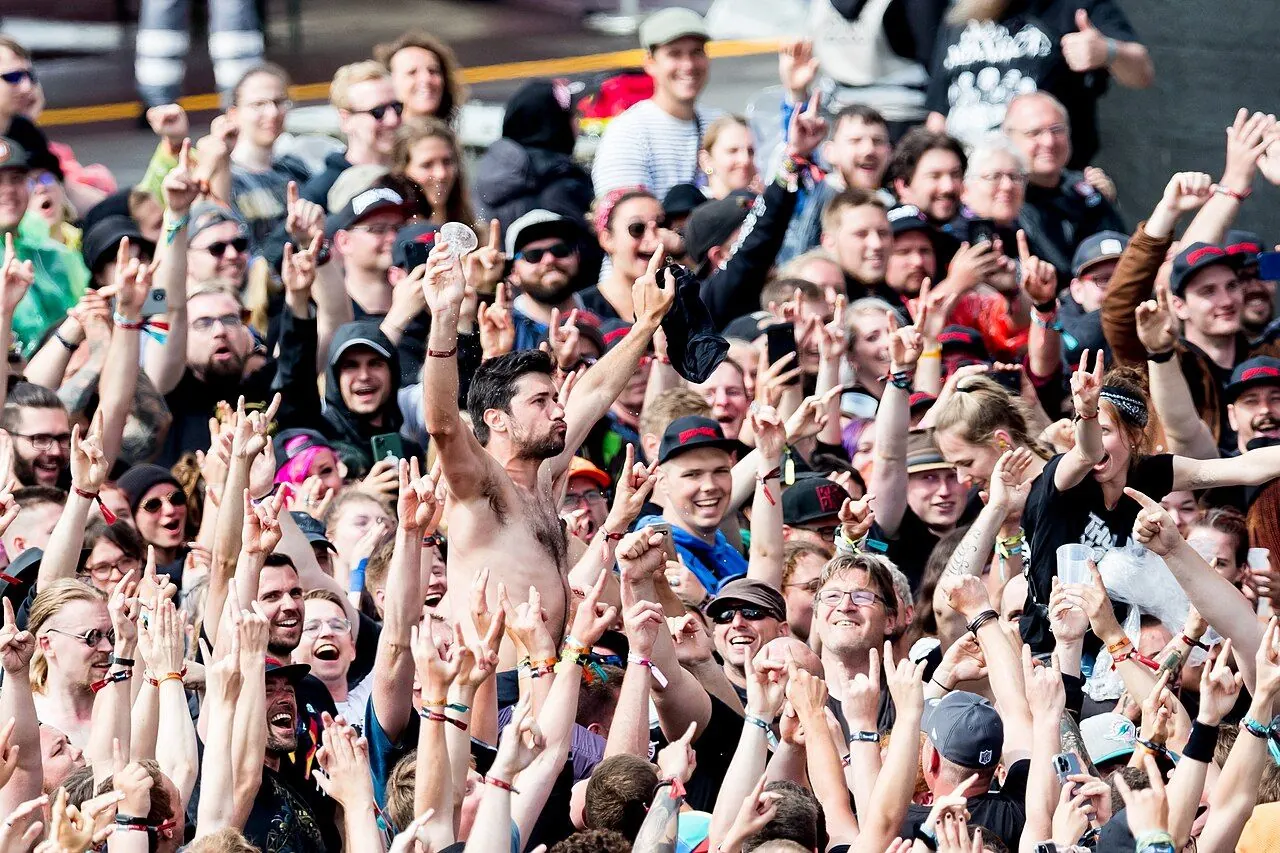
Photo: Sven Mandel / Wikimedia Commons, CC BY-SA 4.0
Going to a gig alone is straightforward if you plan your journey home before you set out, keep your phone charged, know how to get help inside the venue, and focus on enjoying the music.
Plenty of people see bands on their own. You choose the gig, arrive when you like and stand where you like, with no one to negotiate with over the support act or the last train. You don't need company to appreciate the band, but a charged phone and a plan for getting back home are essential.
Getting there and getting home
Check the last train or night bus before you leave, not at the end of the night. Some large cities run late services at weekends, such as London's Night Tube on Fridays and Saturdays, but many places have none, so leave before the encore if the timetable demands it. Licensed black cabs can be hailed in the street, but a minicab must be booked through a licensed operator by phone, app or at its office; an unbooked minicab that offers you a ride is illegal and uninsured.
Charge your phone fully and bring a power bank, have your ticket ready in the app or printed before you reach the door, and tell a friend which gig you are at and when you expect to be home.
Inside the venue
Most venues have space where you can stand and move freely, and the edges of the room or the area near the sound desk are easy places to start. Choosing a spot that feels comfortable and lets you see the crowd can help you relax, and a smaller venue or a seated show is less daunting for a first solo night. Moving around as the evening goes on is a good way to feel in control of the space.
As a solo gig-goer, you can make conversation without any pressure. The bar, the queue and the merch stand are natural places to chat, and asking someone about the band's records or other gigs they have been to is an easy opener. But you don't need to talk to anyone if you don't feel like it.
Support acts are part of the night, so time your arrival for the first band. Arriving early also makes it easier to find a good spot and get to the bar while it is quiet, and the support act sometimes turns out to be the band you remember.
Staying safe
Many pubs, bars and venues run Ask for Angela. If you feel unsafe or uncomfortable, asking staff for "Angela" tells them you need help: they can take you somewhere safe, call a friend or a taxi, and contact the police if needed. Not every venue takes part, so look for the posters, often in the toilets. Security and any welfare staff are there to help too, so approach them if something feels wrong.
Keep your drink with you, don't accept drinks from strangers, and tell staff straight away if you or someone near you suddenly feels unwell. With your route home sorted and your phone charged, the only thing left to do is enjoy the band.
Checked against the sources below at the time of writing. Ticketing rules, licences, royalty schemes and festival policies change; confirm with the official body, venue or organiser before you rely on them.