PRS And PPL Explained
Songs and recordings earn separately in the UK, and knowing which body pays for which is the first step to collecting what a band is owed.
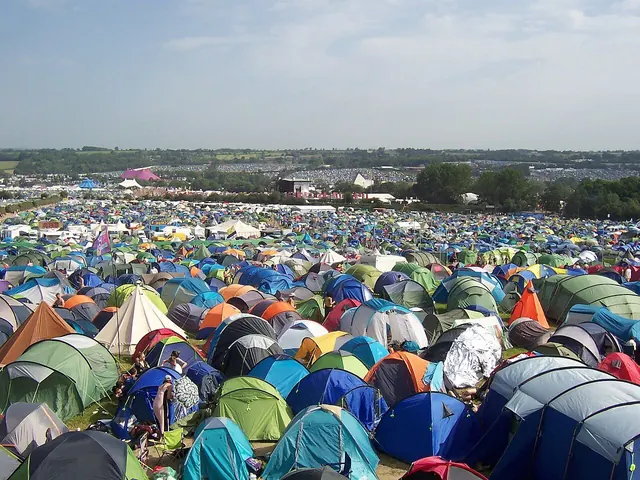
Photo: David Dawson / Wikimedia Commons, CC BY 2.0
The royalties a band can earn break into two: PRS for Music pays for the song, and PPL pays for the recording. They are separate organisations with separate memberships, and a band that writes, performs and owns its own recordings may be owed money by both.
The song and the recording
Before getting into who gets what, get the core distinction clear. You have a song, the music and lyrics as composed, and a recording, the performance captured on a record or stream. These are different rights from a legal point of view, and they can belong to different people: a songwriter and publisher on one side, a performer and a record label on the other.
PRS for Music is made up of two societies. PRS collects for songwriters, composers and music publishers when their music is performed or played in public, broadcast or streamed; MCPS collects mechanical royalties when their music is reproduced, for example on CD, vinyl or as a download. PPL licenses recorded music played in public and broadcast on radio and TV, and pays two groups: performers who played on a recording, and recording rightsholders, usually the label, or the band itself if it owns its masters.
| PRS for Music | PPL | |
|---|---|---|
| Covers | The song (composition and lyrics) | The recording |
| Pays | Songwriters, composers, publishers | Performers, recording rightsholders |
| Earns from | Live gigs, broadcast, public play, streaming, physical copies (via MCPS) | Broadcast and public play of recordings |
| Your admin | Register works, report setlists | Register recordings and performer line-ups |
How gigs turn into PRS royalties
A live set is PRS territory, not PPL's, because no recording is being played. The venue or promoter pays a PRS licence for live music, and the Musicians' Union explains that this fee is shared between the works performed and reported. There are no automatic payments: PRS can only pay writers whose songs it knows were played. Before reporting, register your songs with PRS, including any co-writers, publishers and percentage splits. Then, after each show, log in and report it:
- enter the date of the performance and find the venue (or festival and stage);
- add the setlist song by song, searching by title, tunecode or ISWC alongside the writer's name, including any covers;
- fill in the "who performed the setlist" box with your band or stage name, then submit.
Deadlines depend on how the show was licensed. According to the MU, gigs in pubs, clubs and small venues under PRS's Gigs and Clubs scheme must be reported within 12 months, concerts in dedicated live venues within three years, and international shows within three years; none can pre-date your PRS joining date. Only one copy of each setlist is needed per band, because PRS pays according to each writer's share of the song, not according to who submitted it.
Why small bands should care
PPL money comes later, once your recordings are out in the world. When a track is played on radio or TV, or in a shop, bar or club, PPL collects and pays the performers and whoever owns the recording. To receive it, the recording must be registered with PPL with a full performer line-up and an ISRC, the code that identifies each recording. PPL is the only agency issuing ISRCs in the UK, and an ISRC can be requested without joining.
For that reason, a band that is the songwriter, performer and master owner all at once could draw on both streams. Join PRS for the songs, join PPL for the recordings, keep your registrations up to date and report every setlist. Rates and joining fees change, so check them on the PRS for Music and PPL websites.
Checked against the sources below at the time of writing. Ticketing rules, licences, royalty schemes and festival policies change; confirm with the official body, venue or organiser before you rely on them.