How To Get Gigs
From a first demo to confirmed support slots, the practical steps that turn a rehearsal-room band into one promoters book again.
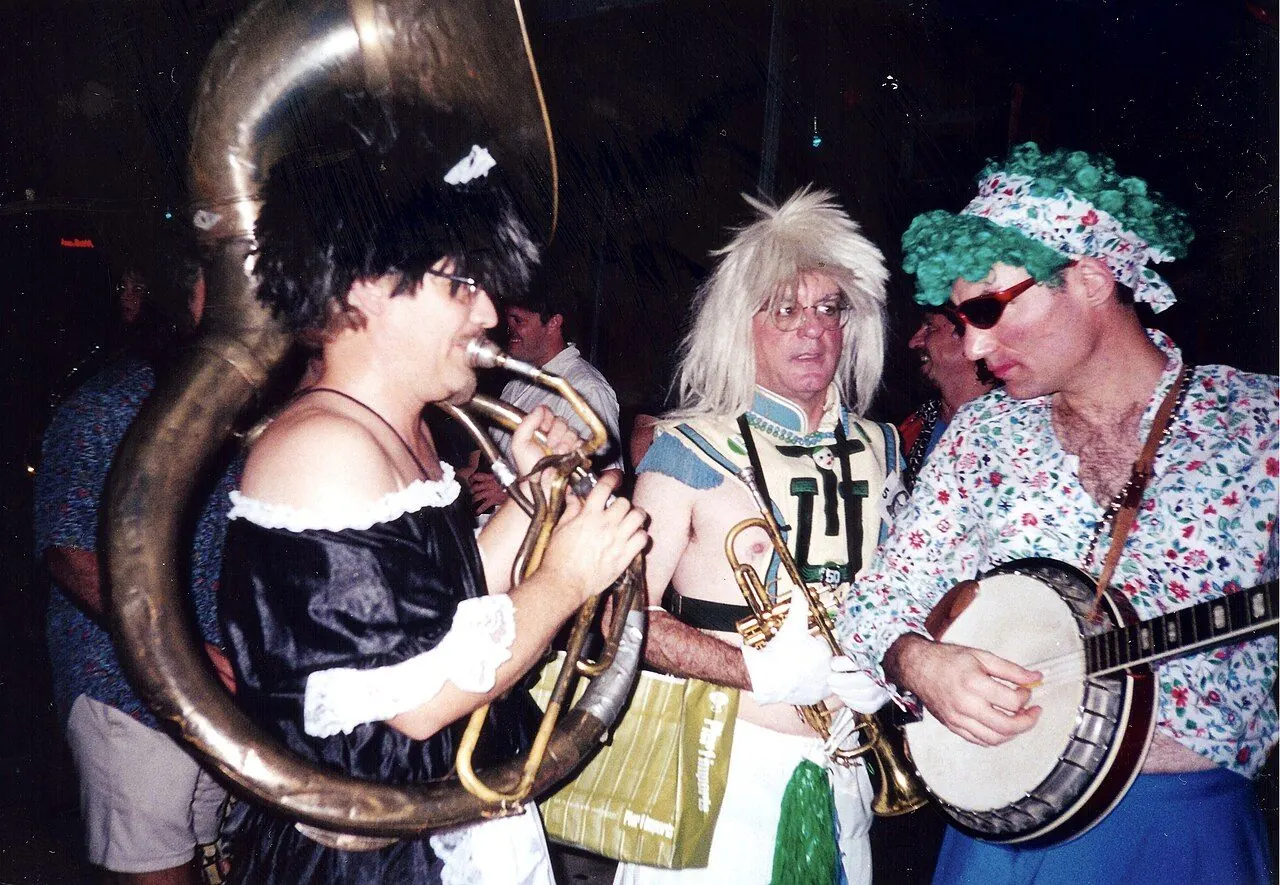
Photo: Infrogmation of New Orleans / Wikimedia Commons, CC BY 2.0
First gigs are not a matter of mystique, but of reliability. A band that can play a tight set, communicate clearly and get every booking confirmed in writing is easier to book, and each small show is the way into the next one.
Get the band bookable
Before approaching promoters, make sure your band is gig-ready. This means having a rehearsed set of songs you can play live on demand, with a half-hour set a sensible target for support slots, plus a name, a simple demo and an electronic press kit (EPK). The demo only has to show what you sound like: two or three songs recorded cleanly are enough. The EPK can be a single page with a short biography, links to the songs, a live video if you have one, a photo and a contact email.
Then research where bands like yours actually play. Read local gig listings, follow venue and promoter pages, look at who books acts at a similar level to yours, and go to those nights as a punter first. Open mic and jam nights are the usual first step for a new act: you play a few songs, the organiser hears you, and you meet the people who run the room. Battle-of-the-bands nights can also get you on a stage, but read the terms first. The Musicians' Union has long opposed "pay-to-play" deals, in which acts are made to buy tickets for their own gig and sell them on.
Contact promoters and agree the deal
Be prompt and polite. A short message works best: who you are, what you sound like, links to the demo and EPK, the dates you can do and how many people you can realistically bring. Follow up once if you hear nothing, not every day.
Don't roll up to a venue on the day without knowing when and how you will be paid. A guarantee is a fixed fee agreed in advance; a door split gives the band a share of the ticket money, sometimes after agreed costs come off. Don't be shy to ask which it is, or whether it is a combination. Musicians' Union guidance for unsigned artists says any costs deducted from ticket revenue should be detailed and understood at the time of booking, and that load-in, soundcheck, stage times and doors should be confirmed in advance. Confirm the booking in writing: the MU publishes standard live contracts, and if a booker will not sign one, it recommends at least an email confirming the date, time and place.
Use each gig to get the next one
Treat every small show like an audition. Arrive on time for load-in, keep the soundcheck short, stick to your set length, be civil to the sound engineer and the other bands, and clear the stage promptly. Bringing a crowd matters to promoters, so tell friends and fans well in advance and share the promoter's posters and posts. The MU's Fair Play Guide says a fair co-promotion deal should give the band a fair cut of each ticket, starting with the first one sold.
If you write your own songs, join PRS for Music and report your setlists after each gig. The venue's PRS licence fee is shared between the works performed and reported, so an unreported set earns nothing. The MU notes that songs must be registered with PRS before you report, that shows in pubs, clubs and small venues must be reported within 12 months, and that performances cannot pre-date your PRS joining date.
A gig is not an isolated booking but a link in a growing chain. A tight support set, a decent turnout and a thank-you to the promoter are what get a band asked back, and the headline slots come from the promoters who have seen you do all three.
Checked against the sources below at the time of writing. Ticketing rules, licences, royalty schemes and festival policies change; confirm with the official body, venue or organiser before you rely on them.
Sources
- musiciansunion.org.uk/working-performing/gigs-and-live-performances/engagement-booking-for
- musiciansunion.org.uk/working-performing/gigs-and-live-performance/fair-play-guide
- musiciansunion.org.uk/legal-money/contracts-and-agreements/standard-contracts/live-engagem
- musiciansunion.org.uk/working-performing/gigs-and-live-performances/how-to-report-live-per