The 7-Inch Single
Small, cheap and quick to make, the 45 became the home of the hit single and the calling card of every punk and indie band.
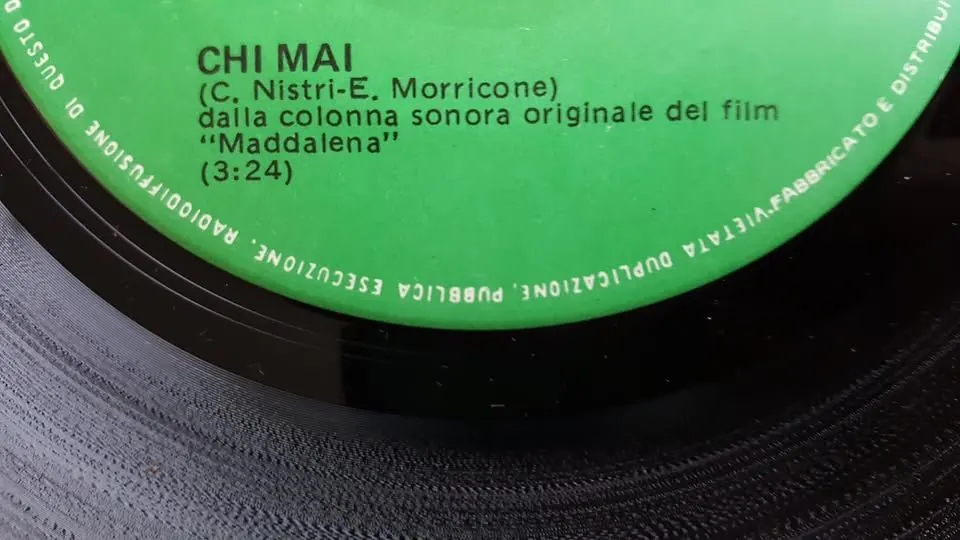
Photo: FarewellAngelina / Wikimedia Commons, CC BY-SA 4.0
A 7-inch single is a small vinyl record that usually spins at 45 rpm and carries one main song on each side, the A-side and the B-side. RCA Victor introduced the format in 1949, and it has outlived cassettes and CDs to remain the classic home of the pop and indie single.
From RCA's 45 to the modern single
RCA Victor launched the 7-inch 45 in 1949 to compete with Columbia's new 33⅓ rpm long-playing record, and marketed it simply as the "45". It was a purpose-built format, from the record size to the large hole punched through the centre, which was designed to work with RCA's own automatic record changer. Owners of ordinary turntables with a thin spindle soon had an answer: a plastic or metal insert, the adaptor, that snaps into the large hole so the single sits on a standard spindle. Outside the United States many singles were pressed with a small hole and a centre section that could be punched out, for example for jukeboxes.
The short playing time per side suited a single song, and so the 7-inch became the format of the hit single. The main song went on the A-side and a secondary track on the B-side. A double A-side gives both songs equal billing; the Beatles' "We Can Work It Out" / "Day Tripper", released in December 1965, is the famous British example, promoted equally on both sides.
Why punk and indie bands loved it
The 7-inch never died with the arrival of cassettes, CDs or streaming. Part of the reason is that it was cheap and quick enough for a band to make without a big label. In January 1977 Buzzcocks released their Spiral Scratch EP on their own New Hormones label, making them the first English punk group to set up their own independent label, and the many small DIY labels that sprang up that year are often said to have taken it as their inspiration. Limited runs, hand-folded sleeves and B-sides not found on albums became part of the appeal, and indie labels kept the habit going long after punk.
What collectors look for
For collectors the details matter. The most reliable information lives on the record itself rather than the sleeve:
- Matrix number – the code stamped or scratched into the run-out groove (the "dead wax" between the last track and the label); it can help tell a first pressing from a later one
- Label and catalogue number – changes in label design or number often mark a repress
- Picture sleeve – many singles came in plain company sleeves, so an original picture sleeve adds to a copy's interest
- Coloured vinyl, numbered or limited editions – common on indie and special releases
Caring for vinyl is simple: store singles upright, hold them by the edges, and keep them in inner sleeves, away from heat and direct sunlight.
Record Store Day, founded in the United States in 2007 and first held in April 2008, gives the 7-inch an annual showcase. In the UK it has run since the first year, and hundreds of independent shops across the UK and Ireland take part with limited releases, many of them singles. For a new collector, a local independent shop and the official Record Store Day list are the easiest places to start.
Checked against the sources below at the time of writing. Ticketing rules, licences, royalty schemes and festival policies change; confirm with the official body, venue or organiser before you rely on them.