Starting A Club Night
A monthly DJ night lives or dies on its idea, its venue deal and its licences, then on the regulars who keep coming back.
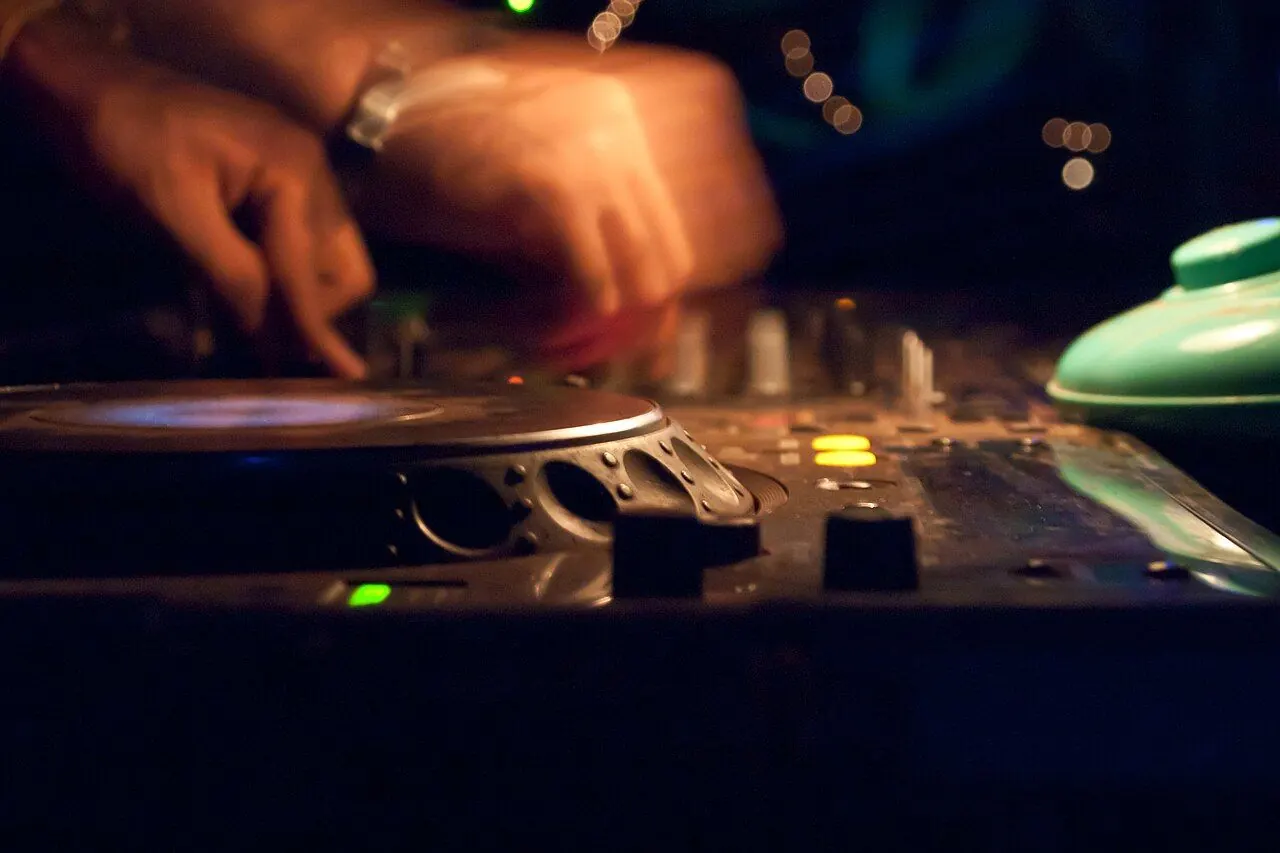
Photo: Vyacheslav Argenberg / Wikimedia Commons, CC BY 4.0
Starting a club night takes a clear concept, a venue whose licences cover what you plan to do, and a plan the venue can say yes to. Get those right, then promote hard and run it on the same night every month.
Concept, venue and the deal
Begin with the idea, not the equipment. A night built around a specific sound, era or scene is easier to describe, promote and remember than a general party, and the name should say what it is. Search for the name first to make sure nobody locally already uses it, and choose a regular slot, such as the first Friday of the month, so people can plan around it.
Approach a bar or venue with a plan rather than a request: what the night is, who it is for, how you will promote it, how many people you realistically expect, and what you need from the venue in sound, DJ equipment and staff. Deals vary. On a door deal the promoter keeps some or all of the entry money and the venue keeps the bar; on a bar split the promoter takes a share of bar takings; some venues charge a hire fee instead. Agree the terms, the dates and who pays for what in writing before the first night.
Licensing basics
In England and Wales, playing recorded music to an audience is regulated entertainment under the Licensing Act 2003. GOV.UK says no licence is needed for recorded music between 8am and 11pm on premises licensed to sell alcohol, for an audience of no more than 500. A club night that runs past 11pm, or draws a bigger crowd, has to be covered by the venue's premises licence, so ask to see its permitted hours, capacity and conditions. A space with no licence at all needs a Temporary Event Notice from the council, which is limited to fewer than 500 people at all times, including staff, and a limited number of events a year. Scotland and Northern Ireland have their own licensing systems.
Copyright licensing is separate from the premises licence. Most businesses that play music in public need TheMusicLicence from PPL PRS, a single licence launched in 2018 by PPL and PRS for Music that covers both the recordings and the songs. Confirm with the venue that it holds the licence and that it covers DJ events before you announce anything.
Running the night and keeping it going
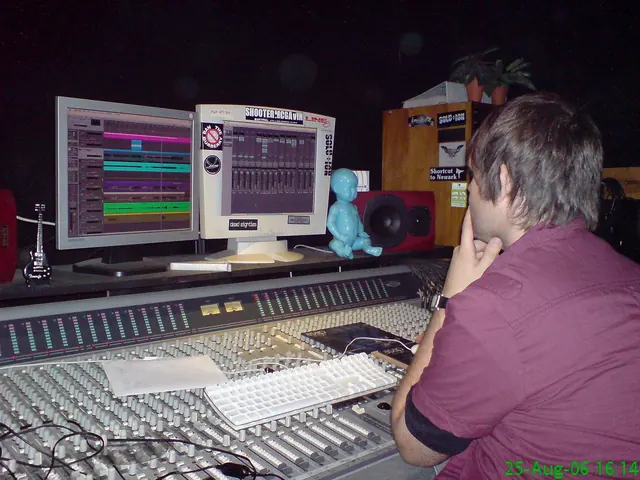
Check the equipment before doors: decks or controllers, mixer, cables, monitor and the house sound system, with spare cables and a backup of your music. Loud music is also a workplace hazard. Since 2008 the Control of Noise at Work Regulations 2005 have applied to the music and entertainment sectors, and the Health and Safety Executive's "Sound Advice" guidance covers pubs and clubs, with the aim of preventing irreversible hearing damage among the people who work there. Keep the monitor at a sensible level and wear hearing protection.
Safety and welfare come from working with the venue: know its capacity and door policy, make free drinking water easy to find, agree how staff will deal with anyone who is unwell or who reports harassment, and make sure people can get home safely.
For promotion, use the tools that reach your crowd: posters where the venue and local shops allow them, social media, a mailing list and guest DJs who bring their own followers. Councils can take action against fly-posting, so put posters only where you have permission.
Regulars keep a night alive. Keep the date consistent, get to know the people who come back, review the numbers with the venue after each night, pay DJs promptly and refresh the music without losing the identity that made people come in the first place.
Checked against the sources below at the time of writing. Ticketing rules, licences, royalty schemes and festival policies change; confirm with the official body, venue or organiser before you rely on them.