What Is Garage Rock
Fuzz, three chords and second-hand amplifiers: how teenage 1960s bands created a sound that keeps coming back every generation.
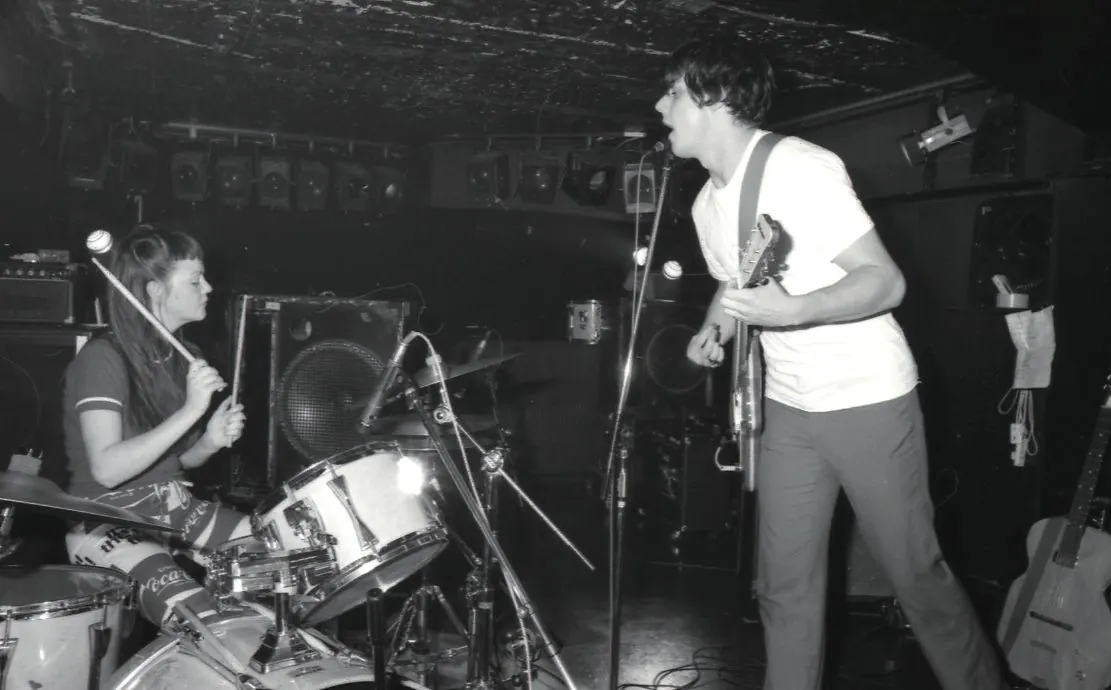
Photo: Masao Nakagami / Wikimedia Commons, CC BY-SA 2.0
Garage rock is the raw, loud, amateur-sounding rock and roll played by young bands in the mid-1960s, mostly in the United States and Canada, and canonised by the Nuggets compilation in 1972. It has been revived again and again since, most visibly in the early 2000s by bands such as The Strokes, The White Stripes and The Hives.
Raw American origins
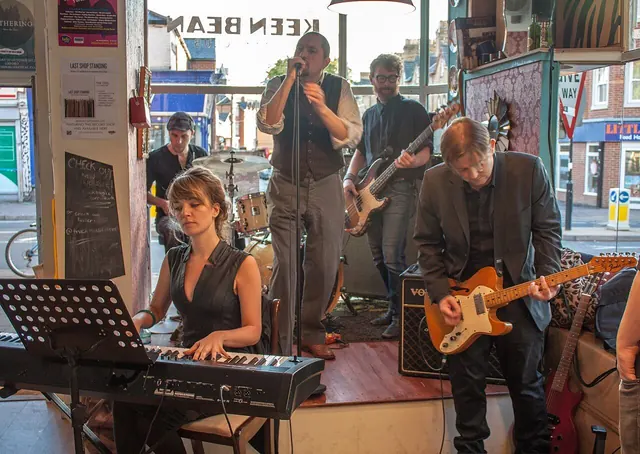
Garage rock emerged in the mid-1960s, largely in the United States and Canada. The term comes from the bands' habit of rehearsing in home garages or basements, often on cheap, second-hand equipment. That set-up created a rough, unpolished sound that captured the raw energy of the style.
The music was generally fast, with simple chords, repetitive beats and snarling vocals. Distortion and fuzz tones were common. Many of these bands were teenagers fired up by the British Invasion groups of 1964, and by the 1950s rock and roll those groups had loved. Britain had its own raw beat groups too: The Troggs, whose "Wild Thing" influenced garage rock and punk, and The Pretty Things, formed in Sidcup, Kent, in 1963, whose loud, Bo Diddley-inspired sound is often cited as a model for later garage bands.
Nuggets and the canon
A compilation released by Elektra Records in 1972, Nuggets: Original Artyfacts from the First Psychedelic Era, 1965–1968, brought the forgotten bands of the 1960s back into the spotlight. Compiled by the guitarist and writer Lenny Kaye, the double album gathered 27 garage and psychedelic singles, including the 13th Floor Elevators' "You're Gonna Miss Me", and gave the style a canon for later generations. It had a marked effect on the New York punk and new wave acts of the late 1970s.
Revivals, Medway and the 2000s return
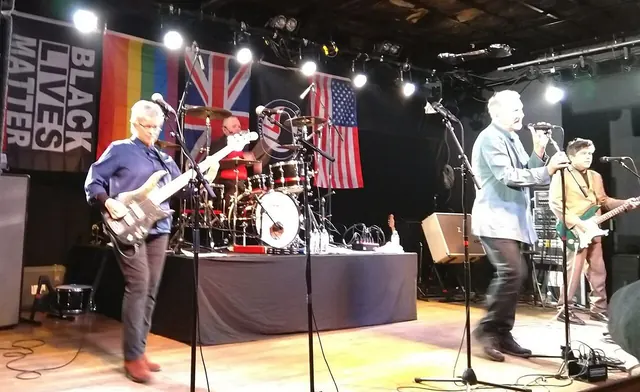
Garage rock has come back in waves. In the Medway Towns of Kent, Billy Childish's bands, among them Thee Milkshakes and Thee Headcoats, fused 1960s beat and American garage with the urgency of punk from the late 1970s onwards, alongside bands such as The Prisoners, in what became known as the Medway sound.
The early 2000s saw the biggest return. The Strokes, from New York, released Is This It in 2001; The White Stripes, from Detroit, released White Blood Cells the same year; and Sweden's Hives broke through in Britain with Your New Favourite Band. The critic Jim DeRogatis described their sound as rooted to some extent in Nuggets-era garage rock, and the press lumped them together as the "The" bands.
Garage rock is less a fixed genre than a recipe: fuzz, simple chords, cheap gear and energy over technical polish. For a first listen, start with Nuggets, then a Troggs or Pretty Things single, a Billy Childish record and one of the 2001 albums above, and the thread running through six decades becomes easy to hear.
Checked against the sources below at the time of writing. Ticketing rules, licences, royalty schemes and festival policies change; confirm with the official body, venue or organiser before you rely on them.