Chatham Music Scene History
From naval dockyard and art school to garage bands, punk poets and one famous reunion night, how Chatham built its own music story.
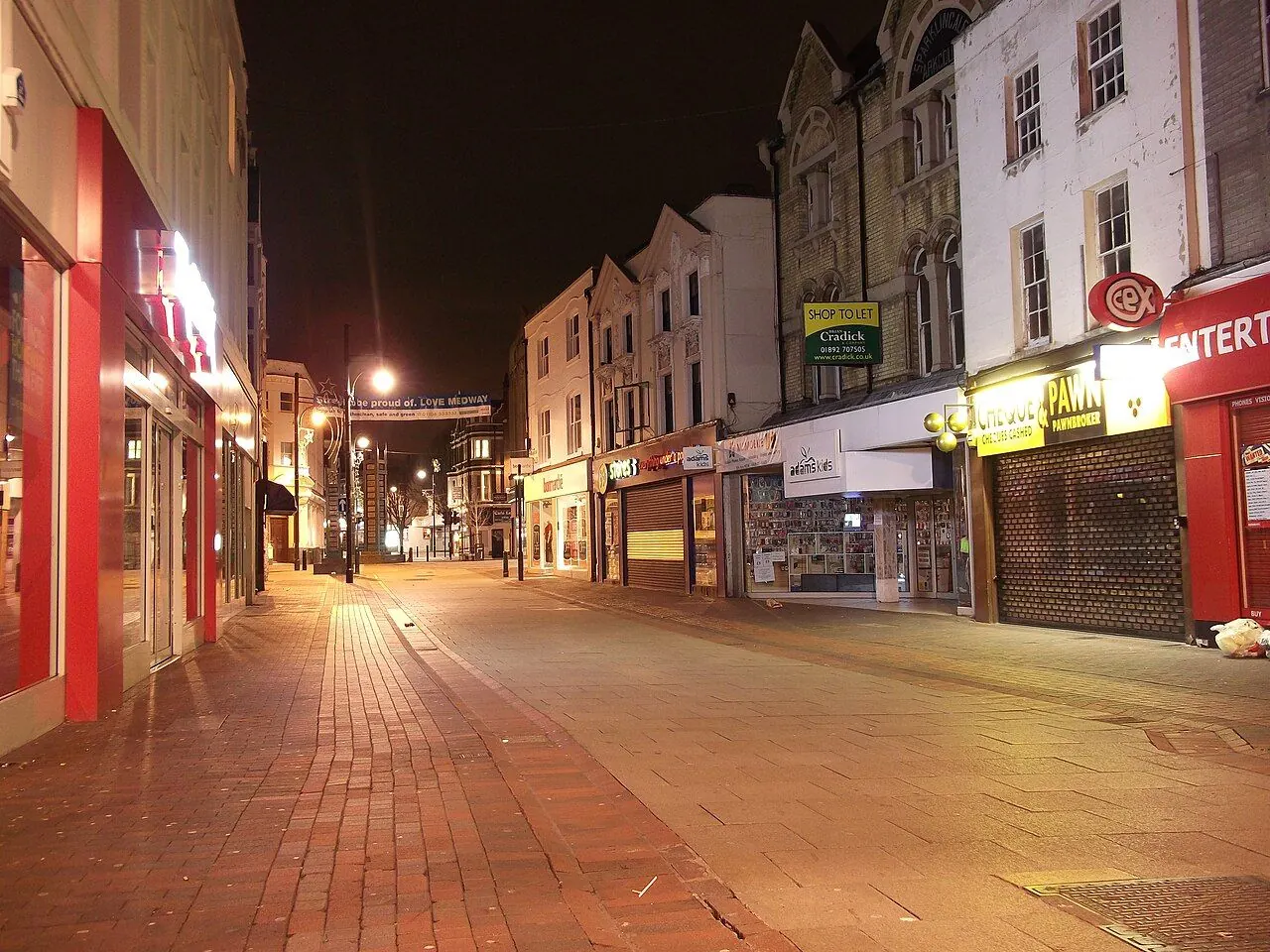
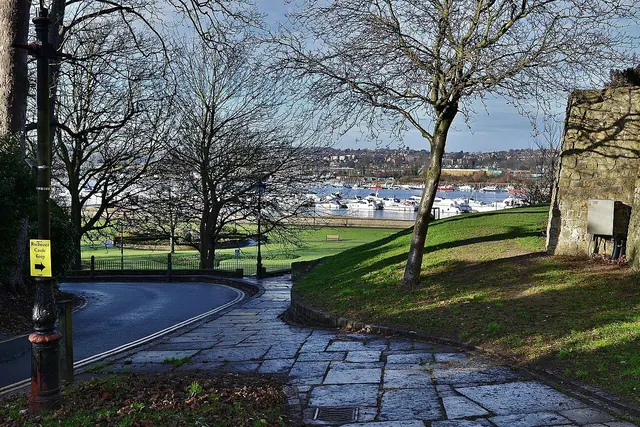
Photo: David Anstiss / Wikimedia Commons, CC BY-SA 2.0
The Chatham music scene is best known for the raw garage and punk bands that came out of the Medway towns from the late 1970s, led by Billy Childish, and for the pub nights, poetry readings and small venues that kept them going. It is not defined by a single venue or band, but by a network of towns, pubs and people with the old naval dockyard in the background.
Dockyard town, art school and pubs
Chatham sits among the Medway towns strung along the river: Rochester, Chatham, Gillingham and Strood, with Rainham usually counted in too. For some 400 years they were shaped by the Royal Navy's dockyard at Chatham, which closed in 1984.
The other ingredient was education. The Medway College of Design on Fort Pitt Hill in Rochester, later part of the University for the Creative Arts, drew in young artists and musicians, and the Medway scene is often said to have been influenced by it. Billy Childish did his foundation year there in the late 1970s, and Tracey Emin studied fashion there in the early 1980s.
The late-1970s Medway sound and the poets
The late-1970s Medway scene was an intense burst of garage, punk, rock'n'roll and raw blues that looked back to the records of the 1950s and 1960s. Billy Childish, from Chatham, formed the Pop Rivets in the late 1970s and went on to lead Thee Milkshakes, Thee Mighty Caesars and Thee Headcoats. The Prisoners, formed in Rochester in 1980, and The Dentists also won followings well beyond Kent, and the sound picked up the nickname "Medway Delta".
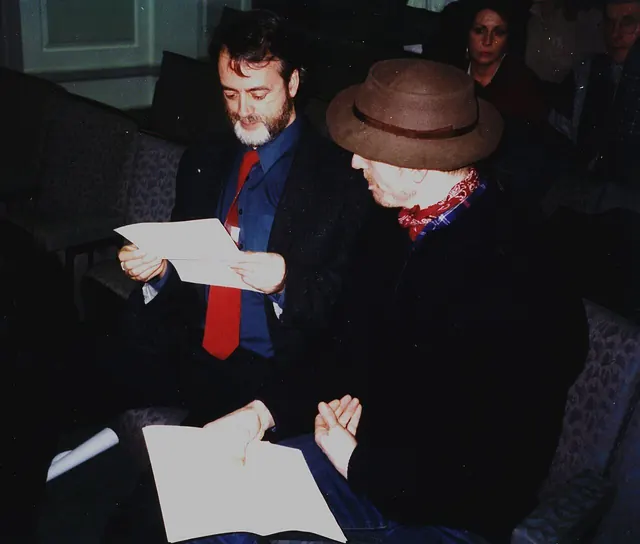
The Medway scene was never just about music. Alan Denman, a lecturer at the Medway College, promoted poetry readings at the York Tavern and Railway Inn in Chatham, and those readings brought together the Medway Poets, founded in 1979. The group, which included Billy Childish, Charles Thomson and others, mixed the new punk spirit with a nod to Berlin cabaret, and its members later fed into the Stuckist art movement of 1999.
The Tap 'n' Tin years and the dockyard on screen
Local accounts describe a resurgence in Chatham's live music from February 2001, with an early focus on the Tap 'n' Tin club, alongside other pub venues in Gillingham and Rochester. The club's best-known night came on 8 October 2003, when the Libertines played a same-day reunion show there after Pete Doherty's release from prison. The NME named it its top live moment of 2003, and a photograph from that night became the cover of the band's second album.
The dockyard itself found a second life. The Historic Dockyard Chatham is now a museum site that doubles as a major filming location: its Victorian buildings have stood in for the streets of Poplar throughout Call the Midwife and doubled as factory, courtroom and streets in the film of the musical Les Misérables, and it hosts large public events through its visitor season.
Chatham's music history is best understood through that network of places and groups: the dockyard, the art school, the pub readings and the handful of key venues. To hear where it came from, start with the Medway garage records of Billy Childish and The Prisoners, then check local listings for the pub gigs and festivals that carry the tradition on.
Checked against the sources below at the time of writing. Ticketing rules, licences, royalty schemes and festival policies change; confirm with the official body, venue or organiser before you rely on them.